
Understanding the psychology behind winning in casinos
The Allure of Chance
The world of casinos is undeniably enticing, primarily due to the element of chance. The unpredictability of outcomes in games creates a sense of excitement that draws players in. This allure is deeply rooted in human psychology, where the thrill of potentially winning big can often outweigh the understanding of odds. Players may believe that luck is on their side, fostering a sense of hope that compels them to engage in risky behavior. For those looking to explore this excitement, spinaud-casino.com offers an array of opportunities.
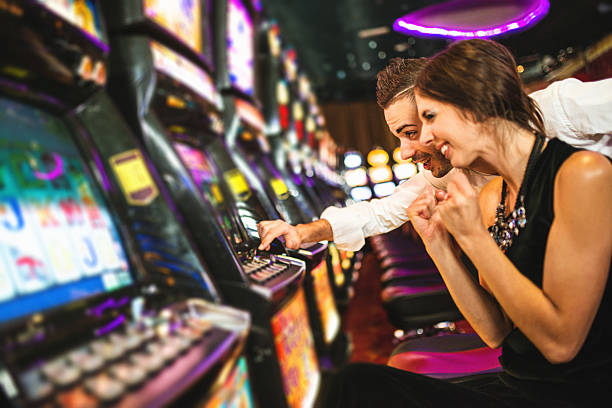
Additionally, the randomness of games like slots or roulette plays into cognitive biases such as the gambler’s fallacy, where individuals mistakenly believe that past outcomes can influence future results. This belief can lead to a continuous cycle of play, driven by the desire to chase losses or seek that elusive win, even when the odds are statistically unfriendly.
The Role of Skill vs. Luck
In many casino games, the balance of skill versus luck becomes a significant factor influencing player behavior. Games like poker and blackjack rely heavily on strategic thinking and decision-making, providing an opportunity for skilled players to gain an advantage over less experienced opponents. This sense of control can bolster a player’s confidence and increase their enjoyment, making them more likely to return for future gameplay.
However, in games that rely purely on chance, such as slots, the player’s skill has little impact on the outcome. Here, understanding the difference between skill-based games and luck-based games can shape how players approach their gaming experiences, ultimately influencing their strategies, expectations, and emotional responses.
The Psychology of Losses
The experience of losing in a casino setting can be psychologically devastating for some players. The concept of loss aversion, where the pain of losing is felt more intensely than the pleasure of winning, plays a crucial role in how individuals react to their gambling experiences. This can lead players to engage in “chasing losses,” where they attempt to recover lost money by continuing to gamble, often exacerbating their financial and emotional distress.
This negative cycle can create a toxic relationship with gambling, where players find it increasingly difficult to step away. Understanding these psychological triggers can help individuals manage their gambling behavior more effectively, promoting a healthier approach to gaming in casinos.
The Impact of Environment and Design
The environment of a casino is meticulously designed to enhance player engagement and prolong the gaming experience. Factors such as lighting, sound, and even the layout of the gaming floor are crafted to create a stimulating atmosphere that encourages players to stay longer and gamble more. The use of ambient sounds, for instance, can mask the reality of losses, making them feel less significant.
Furthermore, casinos often employ strategies such as providing complimentary drinks or snacks, further immersing players in the experience. This calculated design not only heightens excitement but also plays on the psychological need for instant gratification, making it difficult for players to resist the urge to keep playing.

Exploring Online Casino Experiences
As more players turn to online casinos for their gaming needs, understanding the psychology behind these platforms is vital. Online casinos, like Spinaud Casino, offer a seamless and accessible experience tailored to players’ preferences. The ability to play from anywhere, coupled with the allure of high-quality games and quick payouts, creates an environment where players feel empowered to win.
Moreover, online casinos often implement bonuses and promotions that tap into players’ psychological desires for rewards, encouraging them to participate more frequently. This blend of convenience and psychological appeal makes online gaming a popular choice, allowing players to engage in a thrilling experience while still enjoying the comforts of home.