
Whoa! I know—there are a zillion wallet write-ups out there. Seriously? Yep, but this one’s different. I dove into Phantom as a daily user, not just a tester, and tried to treat it like my actual NFT suitcase when hopping between OpenSea-like Solana markets and experimental Solana dApps. At first blush it’s smooth and fast, but there’s nuance you should know before clicking “install.”
My instinct said this was going to be simple. Hmm… it mostly is. The onboarding flow is quick—seed phrase setup, password, then you’re in. But something felt off about a few permissions screens, and that’s where attention matters; you can’t just skim. Initially I thought the extension would keep everything tidy, but then I realized that small settings (like connection approvals and site data) can trip you up if you don’t pause and look.
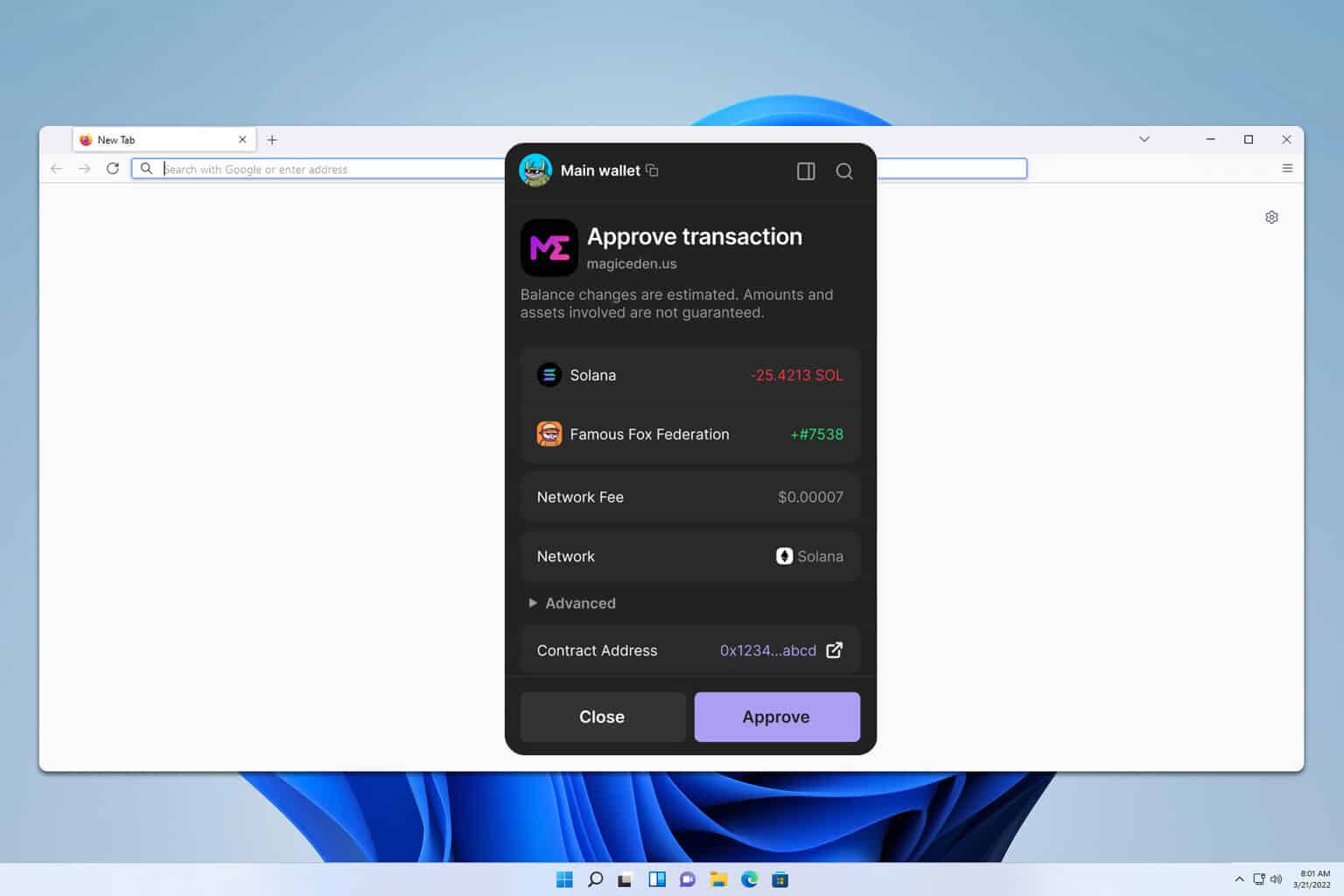
Okay, so check this out—Phantom is built specifically for Solana, which means signing transactions is fast and gas is minimal. That’s a huge pro if you collect NFTs and flit between wallets a lot. On one hand the UX simplifies complex blockchain steps, though actually, wait—let me rephrase that: it simplifies most common flows while still exposing details when you need them. My take: great balance, but sometimes the confirmations feel terse and I want a little more context before I approve big ops.
Here’s the thing. You should always verify the extension source before downloading. Really. Go to the official store listing for your browser or the wallet’s official channels and double-check. If you want a quick pointer, hit the official resource linked below—it’s one place I used to confirm authenticity when I first set things up. But remember, links can change, and scammers are clever, so do your own verification too.
Where to download and how to verify
If you’re ready, you can grab the extension here —but pause for two seconds first. Check the publisher name, reviews, and number of installs in the Chrome Web Store or the official browser store for your platform. Also, look for external confirmations like tweets from the official Phantom account, links from well-known Solana projects, or reputable community posts. Somethin’ as simple as a wrong icon or a slight misspelling can mean a fake.
Small, practical tips that saved me time: pin the extension so you don’t open the wrong wallet by accident. Use a dedicated browser profile for crypto stuff. Keep hot wallet balances minimal—store the bulk on a hardware wallet or cold storage when possible. These steps won’t stop every scam, but they help shrink the attack surface. And yes, double-check every transaction amount; I once almost approved a higher fee because the UI text was truncated… very very annoying.
How Phantom handles NFTs is neat. The in-extension gallery surfaces your tokens cleanly, and clicking an NFT often links out to explorer pages or marketplace listings. But it isn’t perfect. Some metadata fields load slowly for obscure collections, and occasionally images don’t render until you refresh. On the technical side, the signature popups are clear enough, yet they could use better labeling for advanced ops—like when a dApp requests persistent account access versus a one-time signature.
Security checklist. Short version: don’t share your seed phrase. Not with friends, not on support calls, not even if a site begs. Seriously. Keep seed words offline. Consider using Ledger or another hardware wallet that Phantom supports for larger holdings. Also, set a strong password for the extension and enable any available OS-level protections. If you see a popup asking to export your seed, treat it like a red light flashing—you should never be prompted for your seed by a website or random dApp.
One thing that bugs me though—connection approvals can stack up quickly. You’ll see a list of sites you’ve allowed, and sometimes a forgotten permission keeps a dApp auto-retaining access. Clean that list periodically. (Oh, and by the way, revoking access doesn’t hurt anything; the dApp stops seeing your account.)
Performance notes: Phantom is lightweight compared with some multi-chain wallets. Transactions push through Swiftly on Solana, which is refreshing. However, if you run dozens of open tabs with active dApps, you’ll notice CPU spikes. My tip: close or suspend tabs you aren’t actively using. It’s not glamorous, but your browser will thank you.
For collectors: metadata integrity matters. If an NFT’s image is hosted on a flaky server, Phantom can only do so much—sometimes the gallery shows a broken image because the origin host failed. Look for collections that use decentralized hosting (Arweave, IPFS) when provenance matters to you. On one hand mainstream collections are generally fine, though on the other hand niche mints sometimes ship with messy metadata. So check before you buy, not after.
Compatibility: Phantom works best on Chromium-based browsers and has a Safari/Firefox presence that’s improving. Mobile options are available too, but the desktop extension is the place I’d do heavy lifting like approvals and batch transfers. If you’re using multiple devices, keep an eye on which one you authorize from—session management is simple but it’s worth tracking.
FAQ
Is Phantom safe for NFTs?
Mostly yes, for everyday NFT collecting. It has strong guardrails and clear signing flows. But safety depends on you: verify sources, use hardware wallets for big holdings, and never expose your seed phrase. If anything seems off, pause and re-check—your instincts are a good filter.
Can I recover my wallet if I lose my device?
Yes—use your seed phrase to restore on another device. That’s why backing it up offline is critical. If you lose the seed phrase, recovery is basically impossible—there’s no central reset button in crypto.
What about phishing or fake Phantom extensions?
Be vigilant. Only install from official stores, check publisher details, and corroborate via official social channels. If a store listing looks off—odd descriptions, low-quality screenshots, typos—don’t install. When in doubt, reach out to community channels or the Phantom team for confirmation.
Alright, final note: I’m biased toward wallets that prioritize UX, and Phantom mostly nails that while keeping Solana’s speed intact. That said, no extension is perfect and you should assume some friction. Take a breath before approving anything, keep backups, and treat your seed phrase like a paper key to a safe you buried. I’ll probably tweak my setup again next month—but for now, Phantom handles my NFT hopping pretty well, and that’s what counts.