
The Allure of Gambling: Understanding the Attraction
The psychology behind why people are drawn to casinos is multifaceted, encompassing various factors that create an irresistible allure. One major element is the thrill of uncertainty—the excitement tied to the possibility of winning big prizes can be intoxicating. This uncertainty fuels the adrenaline rush, making the gambling experience not just about financial stakes, but an emotional rollercoaster that many find hard to resist. For those seeking engaging experiences, online casinos are becoming an increasingly popular option, offering a wide array of games and excitement.
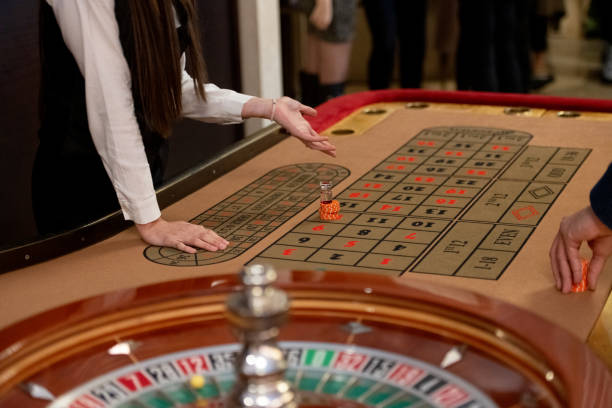
Additionally, the environment of a casino plays a crucial role in enhancing this allure. Bright lights, engaging sounds, and the vibrant atmosphere combine to create a sensory experience that captivates visitors. This carefully curated ambiance encourages players to immerse themselves fully in the gaming experience, often leading them to spend more time and money than they initially intended.
The Role of Cognitive Biases in Gambling
Cognitive biases significantly influence how players perceive their chances of winning and losing at casinos. One common bias is the “gambler’s fallacy,” where individuals believe that past events can influence future outcomes. For example, a player might think that a slot machine is “due” for a win after several losses, misguiding them into believing they are more likely to win soon. This flawed reasoning can lead to increased play and larger bets, often resulting in greater losses.
Moreover, the concept of “near misses” can also play a significant role in a gambler’s psyche. When players come close to winning—such as getting two out of three symbols on a slot machine—they may feel a sense of gratification, despite not winning anything. This sensation motivates them to continue gambling, reinforcing the notion that victory is just around the corner, which further entraps them in the cycle of play.
The Impact of Emotions on Gambling Decisions
Emotions heavily influence gambling behavior, shaping the decision-making process in ways that can lead to both success and failure. For many, gambling is not only about the game’s strategic aspects but also about managing feelings during play. High-stress levels or the euphoria of a win can skew judgment and lead players to make impulsive decisions, often disregarding their previous strategies or losses.
The emotional high from winning can create a phenomenon known as “chasing losses,” where individuals gamble more aggressively to compensate for their previous losses. This emotional cycle can lead to financial ruin, as players become trapped in the belief that they can turn their luck around, ignoring rational considerations of their spending limits.
The Importance of Skill and Strategy
While luck plays a substantial role in gambling, many games, such as poker or blackjack, also require skill and strategic thinking. Understanding odds, probabilities, and playing techniques can provide players with a competitive edge, allowing them to make more informed decisions. Developing a strategic approach can enhance the gambling experience, transforming it from pure luck into a game of skill, which offers players a sense of control.
Moreover, experienced gamblers often employ psychological tactics to read opponents and manage their own emotions. For instance, in poker, understanding when to bluff or when to fold based on not just the cards but the psychological state of competitors can dramatically improve winning chances. Thus, the integration of skill into gambling underscores the complex interplay of psychology and strategic thinking in achieving success.

Exploring Responsible Gambling Resources
For those intrigued by the psychological aspects of gambling, it is essential to acknowledge the importance of responsible gambling practices. Websites dedicated to gambling often provide invaluable resources to help players navigate the fine line between entertainment and addiction. They emphasize the need for self-awareness, setting limits, and recognizing when to take a break.
Moreover, these platforms often foster a sense of community, providing access to forums or support groups where individuals can share their experiences and strategies. Engaging with these resources not only enriches the gambling experience but also promotes a healthier relationship with gaming, ensuring that thrill-seekers remain in control of their pursuits.