
Cultural tapestries Exploring the significance of casinos in society
The Historical Context of Casinos
Casinos have a rich history that stretches back centuries, evolving from ancient games of chance to the luxurious establishments we recognize today. Originating in Italy during the 17th century, the concept of casinos transformed societal norms around gambling and entertainment. As they spread through Europe, casinos became social hubs, reflecting the cultural dynamics and economic conditions of their times. In exploring the significance of these venues, it’s essential to consider the diversity of online casinos that now complement physical locations, offering varied gaming experiences.
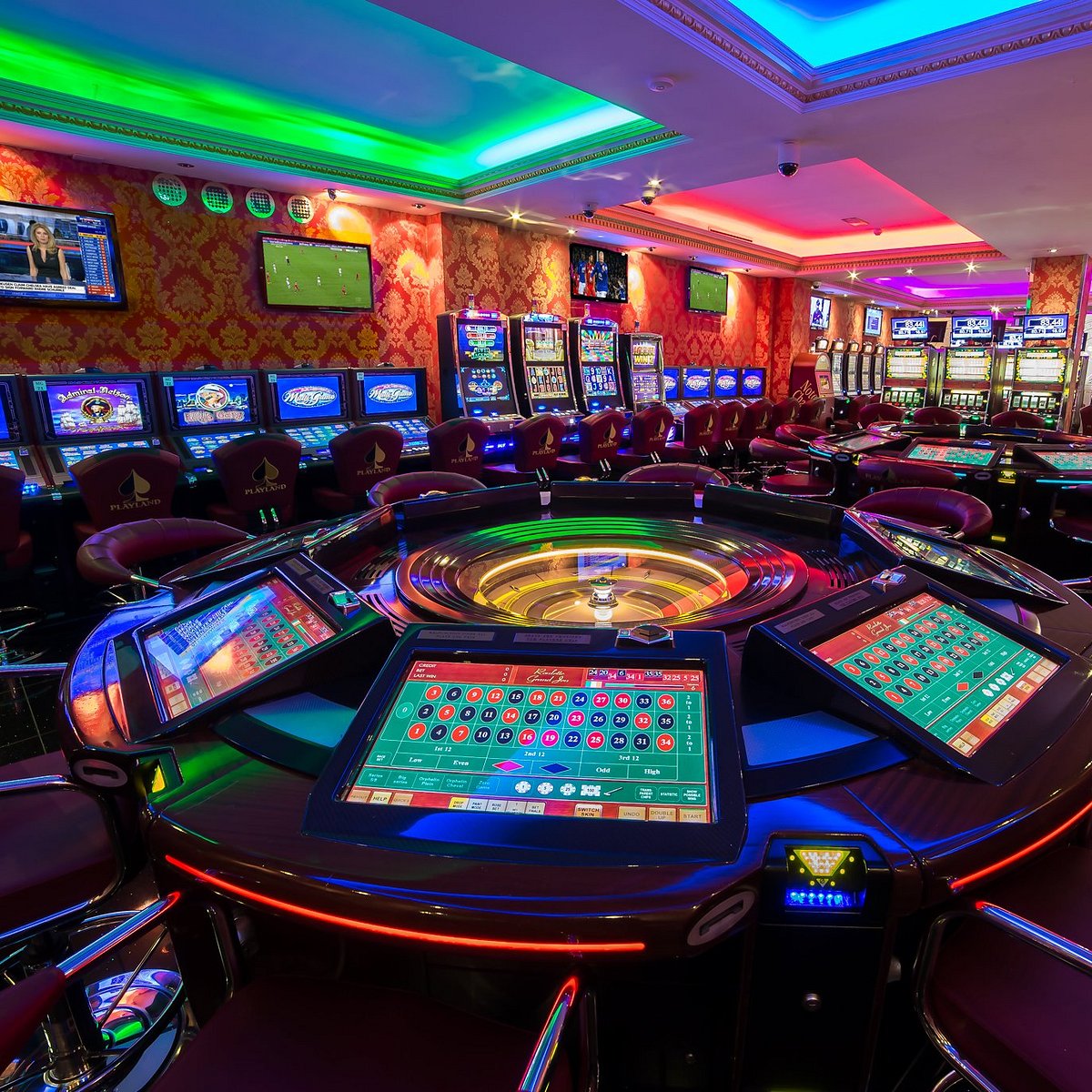
In many societies, casinos have been perceived not just as places of gambling but as venues for social interaction, showcasing art, music, and culinary experiences. Their architectural designs often embody cultural significance, reflecting local heritage and styles. As gambling laws evolved, particularly in the 20th century, casinos became prominent in cities like Las Vegas and Monte Carlo, symbolizing both glamour and risk.
Casinos as Social Spaces
Beyond the allure of winning, casinos serve as important social spaces where diverse groups come together. They create environments that foster interaction among people from various backgrounds, allowing individuals to engage in shared experiences over games, shows, and dining. This aspect of casinos enhances their role as community centers, where connections are made, and memories are formed. Casinos also facilitate unique high roller experiences, as these players often engage in exclusive events and gatherings.
Moreover, casinos often host events that cater to specific social interests, including charity functions, concerts, and cultural festivals. These activities not only provide entertainment but also promote social cohesion, encouraging participation from local communities. This blend of recreation and social engagement highlights the multifaceted role casinos play in society.
The Economic Impact of Casinos
Casinos contribute significantly to local and national economies. They create jobs, from hospitality and entertainment to security and management roles, boosting employment rates in their regions. Additionally, casinos generate substantial tax revenue, which governments can use to fund public services such as education and infrastructure.
As tourism magnets, casinos attract visitors from around the world, invigorating local businesses and enhancing the economic landscape. The ripple effect of casino operations extends to hotels, restaurants, and retail, creating a vibrant ecosystem that benefits many stakeholders and reinforces the importance of casinos in the economic tapestry of society.
The High Roller Experience
High rollers or VIP players play a significant role in the casino landscape, often influencing business strategies and marketing approaches. These individuals are typically characterized by their willingness to wager substantial amounts, which can lead to unique and tailored experiences. Casinos compete to attract high rollers by offering exclusive perks, such as personalized services, luxury accommodations, and bespoke entertainment options.
The high roller experience underscores the allure of casinos as places where fortune and prestige converge. This segment not only enhances the casino’s reputation but also contributes significantly to revenue, making it essential for establishments to prioritize the needs and preferences of this demographic. As a result, high rollers are pivotal in shaping the gaming environment, driving innovation, and setting trends within the casino industry.

Discovering Online Casinos
In recent years, the rise of online casinos has transformed the gambling landscape, offering players convenient access to a vast array of games from the comfort of their homes. This digital evolution has made it possible for individuals to enjoy casino experiences without the need to travel, democratizing access to gaming and making it more inclusive.
Online casinos are designed to cater to different player preferences, featuring a variety of games that appeal to casual players and high rollers alike. As technology advances, these platforms continue to enhance the user experience, providing exciting bonuses, rapid payouts, and responsible gaming tools to ensure a safe and enjoyable environment for all participants.